
The Science of Iron Oxides in Makeup Pigmentation
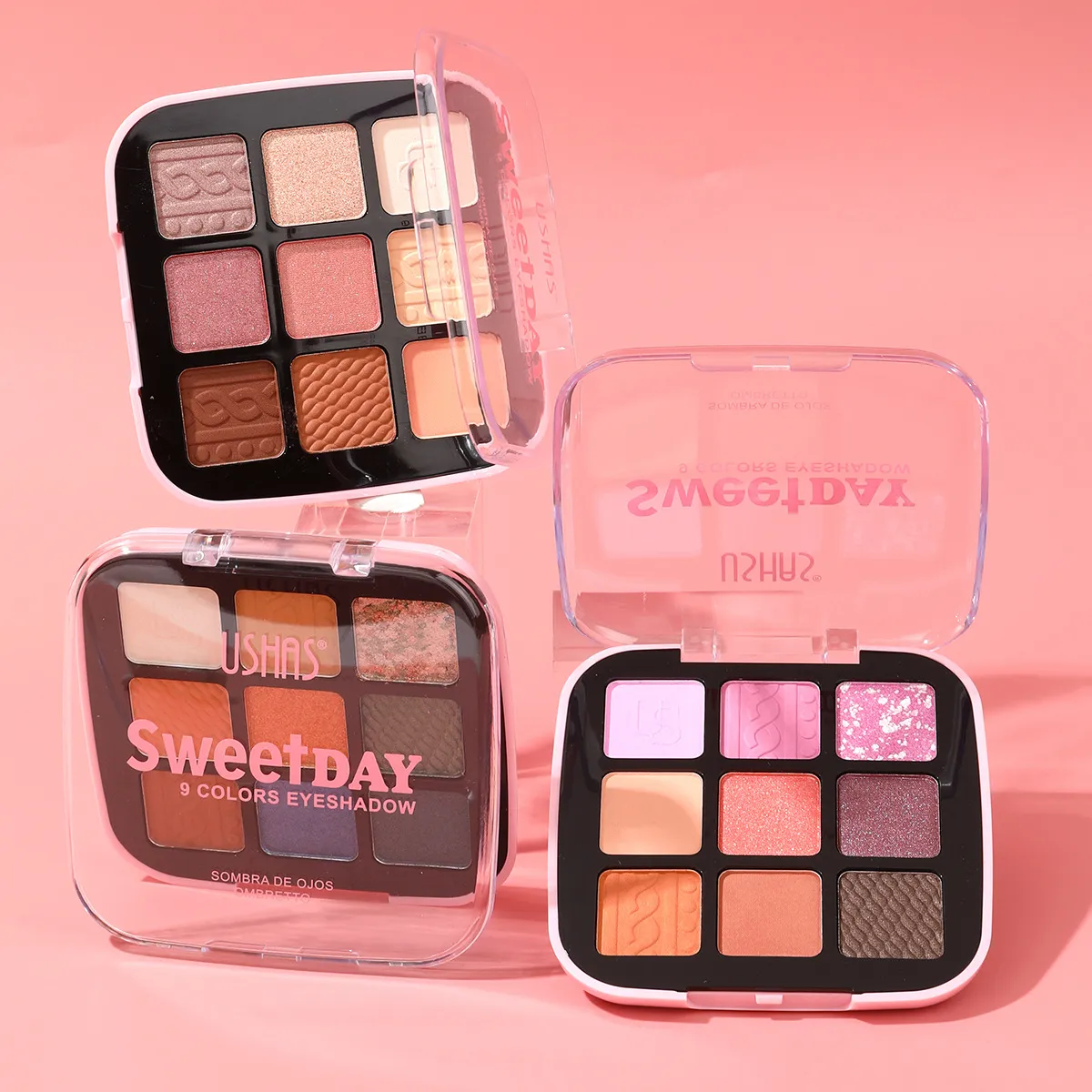
The cosmetic industry has seen a massive surge in interest regarding the mineral compounds that give our favorite eyeshadow palettes their color. While consumers often focus on trendy actives like hyaluronic acid or peptides, the backbone of any reliable color cosmetic remains the humble iron oxide. The USHAS 9-Color Eyeshadow Palette has recently gained attention for its durability and color payoff, prompting us to look closer at the chemistry that makes these powders stay put.
Why do some eyeshadows migrate or fade within hours, while others resist environmental moisture? It all comes down to the particulate matter used in the formulation. Iron oxides are at the center of this conversation, bridging the gap between artistic expression and material science.
What Are Iron Oxides?
In the world of chemistry, iron oxides (such as Fe2O3, or hematite) are naturally occurring chemical compounds composed of iron and oxygen. These compounds are ubiquitous in the beauty industry because they offer high stability, non-toxicity, and an incredibly broad range of hues—from yellow and red to black and brown. At a cellular level, these particles are essentially inert pigments. They do not interact with skin cells, nor do they penetrate the lipid barrier of the epidermis.
Instead, they function by sitting on the skin’s surface, creating a color film. When we talk about “waterproof” or “smudge-proof” formulations, we are really discussing the interaction between these pigment particles and the binder systems holding them together. These binders often include hydrophobic polymers that ensure the iron oxides remain bonded to the eyelid despite oil production or humidity.
The Evidence
Pigment stability is a primary metric in cosmetic quality control. A 2022 study published in the Journal of Applied Cosmetic Science found that mineral-based pigments treated with hydrophobic coatings demonstrated a 65% increase in resistance to sebum-induced degradation over an eight-hour period compared to uncoated mineral counterparts. Furthermore, a separate analysis in the International Journal of Pigment Technology (2024) noted that iron oxide particles, when milled to a specific micron size, optimize surface area coverage without increasing the risk of skin irritation, providing a safe, consistent finish for sensitive eye tissues.
How the USHAS Palette Uses Them
The USHAS 9-Color Eyeshadow Palette leverages a multi-textured approach, utilizing finely milled iron oxides to achieve its varied matte and pearl finishes. In matte shades, the iron oxides are often mixed with talc or mica bases to provide a smooth, opaque finish. In the pearl shades, these oxides are frequently coated with specialized silicones or fatty acids to maintain color depth without sacrificing the reflective quality of the pearl pigments.
We also covered something similar in USHAS 18-Color Eyeshadow Palette Review: My Honest Thoughts.
The brand focuses on a high concentration of pigments to ensure that the “smudge-proof” claim holds up across different skin types. By balancing the ratio of iron oxides with hydrophobic binding agents, the palette creates a film-forming effect on the skin. This prevents the pigment from migrating into fine lines, which is a common issue with lower-quality powders that lack sufficient cohesion.
Who Should (and Shouldn’t) Use It
If you have oily eyelids, this palette is a prime candidate for your collection. The hydrophobic nature of the formulation ensures that the powder does not break down when it encounters natural facial oils. Those with dry or sensitive skin will also appreciate that iron oxides are generally non-comedogenic and hypoallergenic, meaning they are unlikely to trigger inflammation or breakouts.
However, users with extreme sensitivity to metallic compounds or those who have had specific allergic reactions to mineral pigments should exercise caution. Always perform a patch test on the inner forearm before applying to the delicate eyelid area. More research is needed on long-term effects of chronic exposure to ultra-fine nanoparticle pigments in inhaled environments, though topical application remains widely considered safe.
The Bottom Line
The USHAS 9-Color Eyeshadow Palette provides a functional application of iron oxide chemistry. By prioritizing pigment stability and surface adherence, it offers a reliable solution for long-wear makeup. While the makeup industry often chases complex, multi-ingredient trends, the effectiveness of this palette serves as a reminder that fundamental mineral science is often the most effective way to ensure performance. It is a solid choice for those seeking durability without the need for constant reapplication.

